Breast Biopsy at ZP
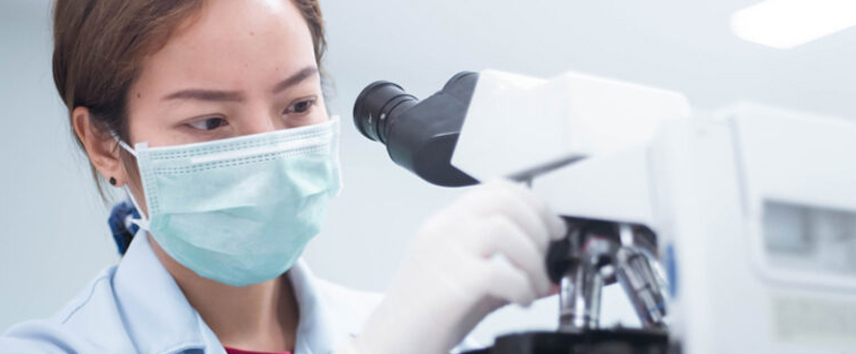
A breast biopsy is a diagnostic procedure in which a sample of living tissue is removed with a tiny needle to be examined by a pathologist, a doctor specially trained in tissue identification. The sample of tissue is usually examined under a microscope to determine if it is healthy or if it shows any kind of disease or abnormality.
In many cases, the use of medical imaging such as MRI, mammography, or ultrasound is used to guide the doctor in performing the biopsy to help pinpoint the tissue, organ, or bone under observation.
We provide a full range of needle aspirations and core needle biopsy techniques. Guided by the latest mammography (stereotactic), ultrasound, and MRI technology, patients receive the highest level of comfort and precision during their exam.
Why are Breast Biopsies performed?
Lumps or other changes in the breast may be found during a physical exam, a mammogram, or other imaging tests. However, imaging alone cannot always determine whether a growth is benign (non-cancerous) or malignant (cancerous).
A breast biopsy is a procedure used to remove a small sample of cells or tissue from a suspicious area in the breast. The sample is examined under a microscope to make an accurate diagnosis. An image-guided needle biopsy uses imaging techniques—such as ultrasound, mammography, or MRI—to precisely guide the needle to the abnormal area. This procedure is intended to collect a small tissue sample for analysis, not to remove the entire lump or lesion.
Early detection saves lives
Although the idea of having a biopsy can feel frightening, it’s important to remember that most breast biopsies performed in the United States do not show cancer. However, a biopsy is the only way to know for sure whether a suspicious finding is cancerous or benign. If breast cancer is diagnosed, treatment options are available. When breast cancer is detected early, standard treatments are often very effective, and most people have a significantly higher chance of long-term survival.

Definitive Results
Offers the most accurate diagnosis option
Advanced Systems
Guided by the latest imaging technology
Expert Care
Interventional specialist radiologistsFine Needle Aspiration Biopsy
A fine needle aspiration biopsy is the simplest biopsy. It uses an extremely thin needle – thinner than the ones used for blood tests. Because the needle is so fine, this procedure is relatively painless. The physician inserts the needle into the lump and draws out fluid or a tissue sample. If clear fluid comes out, the lump is more likely to be a benign cyst rather than cancer. A pathologist will examine the fluid or tissue sample under a microscope to determine if cancer is present.
Core Needle Biopsy
A core needle biopsy uses a somewhat larger, hollow needle to remove tiny cylinders (cores) of tissue from the suspicious area. Core needle biopsies usually require a local anesthetic for your comfort. The needle is inserted a few times to obtain samples. While this procedure takes longer than a fine needle aspiration biopsy, it is more likely to give a definitive result because more samples of tissue were checked.
- Do not take aspirin, ibuprofen, Advil, Motrin, or Aleve one week prior to your appointment.
- If you take Coumadin, Plavix, or any other blood thinners, you must get approval from your doctor to stop the medication one week prior to your biopsy.
- Avoid fish oil and high doses of vitamins (except for prenatal vitamins).
- On the day of the appointment, do not apply deodorant, perfume, cream, powder, or lotion on the breast or underarm areas.
- If possible, wear a full cup support bra or sports bra for after your exam and either a zipper or button-down top.